The Weight You Carry Before You Lift: Packing Lighter for 2026
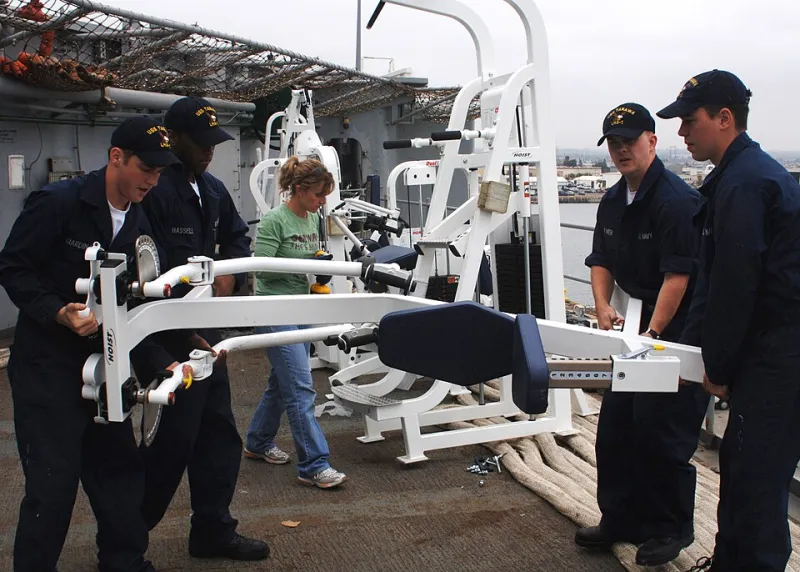
Photo: U.S. Navy photo by Mass Communication Specialist Seaman Bryan Niegel, Public domain, via Wikimedia Commons
Most of us think about the weight on the bar and ignore the weight on our shoulder. Then we wonder why a simple gym session feels like a slog after a packed train, two flights of stairs and a ten-minute walk from the station. The bag is part of the session. If it is too heavy, it drains you before you have touched a dumbbell.
This is not an ultralight backpacking challenge. You still need shoes, a towel and deodorant. The goal is to remove the dead weight that crept in quietly, so the bag matches the training you are actually doing.
The weigh-in: what a typical bag actually holds
Put your packed bag on the kitchen scales. Most UK gym-goers land somewhere between four and seven kilos without really trying. A rough breakdown looks like this:
- Trainers: 700g to 900g
- Full 1-litre water bottle: 1kg
- Cotton towel: 400g to 600g
- Toiletries bag: 400g to 700g
- Change of clothes: 600g to 900g
- Laptop: 1.2kg to 1.6kg
- Headphones and cables: 200g to 350g
- Shaker, padlock and small extras: 300g to 500g
- The bag itself: 700g to 1.2kg
None of those items is outrageous on its own. Together they turn a quick lift into a full day of carrying. If your commute involves the Tube, a bus and a walk, that weight adds up in the lower back and shoulders long before your first set.
The hidden culprits
The full water bottle
Water is heavy. A litre weighs a kilo, and many of us carry it from home even when the gym has a refill station. Carry a smaller bottle and fill it at the gym, or take it empty through the commute.
The just-in-case layer
A hoodie, a spare T-shirt and a rain jacket can easily add a kilo. UK weather makes this understandable, but check what you have actually worn in the last three sessions. If it has not left the bag, it probably does not need to be there.
Full-size toiletries
A full can of deodorant, a big shampoo bottle and a heavy wash bag are common culprits. Decant into small travel bottles and keep a duplicate set at work if you shower there regularly. This is one of the easiest wins.
Shoes for every scenario
Lifting shoes, running shoes and everyday trainers can add two kilos before you have packed a single sock. Unless you are doing a specific session that needs a specific shoe, pick one pair and leave the rest at home. If your gym has secure lockers, ask about overnight storage.
The laptop and the anything-else bag
If you are going straight to work, the laptop is often non-negotiable. But it does not need to live in the gym bag all day. Use a separate slim laptop sleeve or leave it in a secure office locker if you have one. Carrying a laptop in a gym bag with a wet towel is also a good way to ruin both.
The session-capsule system
Pack by session, not by fear. Use three small pouches or compartments so you can grab what you need and leave the rest.
1. The core pouch
This stays in the bag every day: socks, underwear, a light T-shirt, a microfibre towel, travel deodorant, a small shampoo or body wash, a comb, a padlock and a compact water bottle. This is your baseline. It should weigh under two kilos including the bag.
2. The shower-to-desk pouch
If you are going to work, keep a separate pouch with a clean shirt, deodorant, a small brush and any makeup or skincare you actually use. If you can, keep a duplicate set at work and stop carrying it altogether. A 30ml refillable bottle is your friend here.
3. The session add-on
This changes by training day. On a heavy lifting day, add lifting shoes, a belt or straps if you use them. On a cardio day, add running shoes and headphones. On a circuits day, add a light towel and chalk only if your gym allows it. The add-on pouch is the only part that should change size during the week.
A lighter training week
Monday, heavy lift: core pouch plus lifting shoes, belt and straps. Target bag weight: 3.5kg. Carry the water bottle empty and fill it at the gym.
Wednesday, easy run: core pouch plus running shoes and headphones. Leave the lifting belt and straps at home. Target: 3kg.
Friday, circuits: core pouch plus one pair of trainers and a small towel. Target: 3kg.
Saturday, swim or cardio: core pouch plus swim kit or running shoes. Keep the shower-to-desk pouch at home if you are not going to work.
If your commute is longer than 45 minutes, aim to stay under 4kg. If it is a short walk, you have a little more room, but the principle is the same: the bag should not be the hardest part of the session.
Lighter swaps that actually pay off
- Swap a cotton towel for a microfibre towel. You will save around 300g to 400g.
- Use a 500ml bottle instead of a 1-litre bottle and refill at the gym.
- Decant toiletries into 30ml or 50ml travel bottles.
- Use a simple padlock instead of a heavy combination lock if your gym allows it.
- Choose a bag with a wide, padded strap and a flat base. Comfort matters more than a few grams.
- Keep one shaker, not three. Rinse it after every session.
- Use a small cable pouch and leave spare chargers at home.
Do not cut the things that keep you safe and hygienic. If you need lifting shoes for a reason, carry them. If you need a proper towel, take one. The aim is to remove the unnecessary, not the useful.
The rules that keep it light
Weigh the bag once a month. Empty it after every session. If you have not used something in three sessions, it goes. Keep a duplicate toiletries set at work if you can. And treat the bag as part of your training plan: pack for the session you are doing, not for every session you might possibly do.
A lighter bag will not make you stronger on its own. But it makes the walk to the gym easier, the commute less draining and the whole routine more likely to happen. That is a training plan win, even before you pick up a weight.