New Gym, New Rules: The Bag Audit for Anyone Switching Venues in 2026
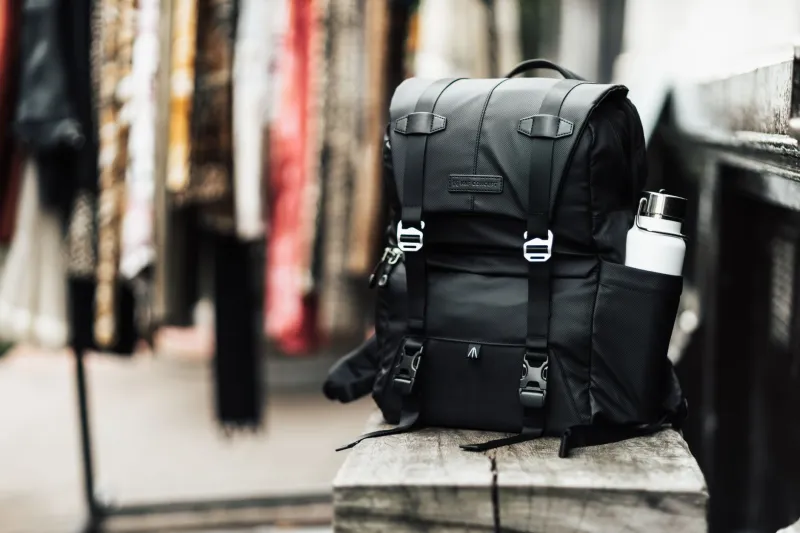
There is a particular kind of optimism in walking into a new gym for the first time with the same bag you used at the old one. It feels efficient. It feels loyal. Then you meet the locker that is six inches too narrow, the shower block with no bench, and the class timetable that starts ten minutes before you can realistically arrive. The bag is fine. The assumptions inside it are not.
Switching gyms is a reset, not a rebrand. You do not need a new kit haul. You need to look at what you have been carrying on autopilot and ask which bits belonged to the old place. Here is how to run that audit without turning it into a weekend project.
Start With the Door, Not the Bag
Most gym-bag habits are built around a route. You leave work, you turn left, you arrive at 6:12pm, you use locker 43 because it is near the radiator. A new venue breaks that loop quietly. Before you pack anything, walk the new route once at the time you will actually use it. Notice the entrance, the reception queue, the stairs, the changing-room door. Notice whether you arrive sweaty from a commute or already changed from the office.
That single walk tells you more than any packing list. If the new gym is a five-minute walk from the bus stop, your bag can be leaner. If it is a twenty-minute cycle, you need to plan for wet weather kit and a place to put a helmet. If you are driving, the car becomes part of the changing room — which changes what needs to come inside with you.
Locker Maths: Measure Before You Pack
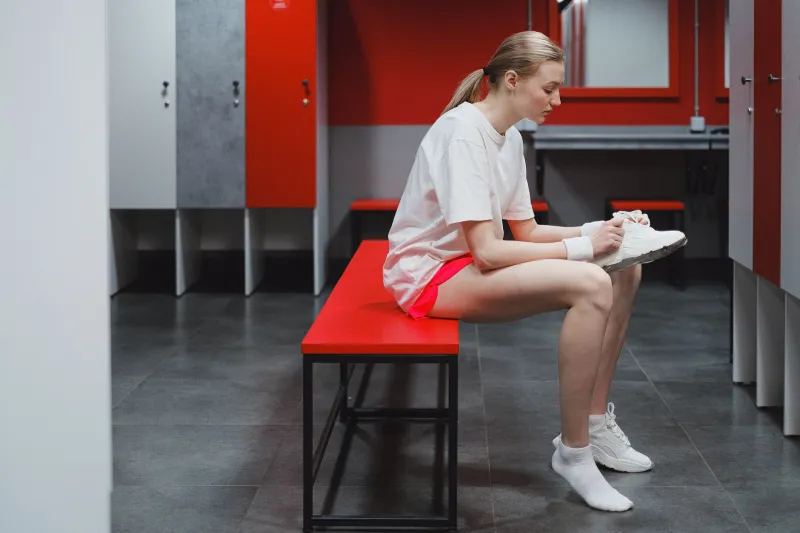
Lockers are the great unseen variable. A roomy leisure-centre locker that swallows a rucksack and a coat will not necessarily exist at a city-centre chain. Some low-cost gyms give you a slim vertical locker and a hook. Some council venues still have the old wooden benches and a locker that smells faintly of 1998. Neither is wrong; they just demand different packing.
Do a quick locker audit on your first visit. Is there a shelf? A hook? Enough height for a gym bag to stand upright? Is the lock built in, or do you need a padlock? That last one catches people out every January. If you need a padlock, put it on your keys tonight, not in the bag you might forget.
The practical reset is simple: pack for the locker you have, not the locker you wish you had. If space is tight, decant. A soft drawstring bag inside a bigger holdall gives you a changing-room kit that can go into a slim locker while your main bag stays in reception or the car. If the new place has generous lockers, you can keep the holdall but stop treating every pocket as a storage unit.
The Shower Test: What Your New Place Actually Provides
Shower setup is where old gym habits become visible. At one venue you might have a proper cubicle, a bench and a hook that holds a towel without drama. At another you get a curtain, a puddle and nowhere to put your clean clothes except on top of your shoes. The bag needs to know the difference.
Ask three questions. Does the gym provide towel service, or do you need to bring your own? Are there shelves or hooks inside the shower area? And is there a dry zone where you can dress without balancing on one leg? If the answers are thin, add a small microfiber towel, a hook that clips onto your bag, and a dry bag for anything wet. If the answers are generous, take those things out. Carrying a full shower kit into a gym that supplies towels is just extra weight with a story.
Also check the hairdryer situation. Some places have them fixed to the wall; some have none; some have one that sounds like a leaf blower. A compact towel and a bit of planning will do more for your morning than another product.
Timetable Reality Check
The old gym’s class times shaped your week. The new one will not. Before you commit to a routine, look at the timetable through the lens of your actual life: the commute, the school run, the meeting that always overruns. A 6:30pm class is only useful if you can reliably arrive by 6:20pm.
This affects the bag more than you might think. If you are doing back-to-back classes, you need a plan for damp kit and a second shirt. If you are squeezing a session into a lunch break, you need a bag that does not require a full unpack and repack at your desk. If your new gym has a decent workspaces area, you might carry less — laptop stays in the locker, gym kit stays in the bag.
The point is not to optimise your life into a spreadsheet. It is to stop packing for a timetable you no longer follow.
What the New Gym Already Owns
Every venue owns different things. Some provide mats, benches, resistance bands and a decent set of dumbbells. Some have one foam roller chained to a wall. Find out what is genuinely available before you keep carrying your own. A mat is not heavy, but it is bulky. A foam roller is brilliant until it is wedged behind your desk.
On the flip side, do not assume. If the new place has no mats and you do floor work, pack one. If it has no scales and you use them, plan around it. A five-minute conversation at reception is cheaper than three weeks of annoyance.
The Commute Rewrite
The commute is the bit people forget because it is not in the changing room. But your bag is carried through the commute, not just the workout. If your new gym is near the office, you can leave more at work. If it is a train ride away, you need a bag that does not become a weapon on a packed carriage. If you are walking in the dark, reflective details and a torch on your keys matter more than another protein bar.
UK weather deserves a specific mention here. A bag that worked in a dry September can feel like a mistake in a wet November. A lightweight rain cover or a dry bag for your phone and earbuds is not overpacking. It is local knowledge.
A Three-Step Reset Before Your First Session
First, empty the bag completely. Not a rummage — a full empty. Put everything on the floor and ask, item by item, whether it belongs to the old gym or the new one. Second, pack only what the first week needs: one outfit, one towel, one lock, one water bottle, one small wash kit. Third, give it a trial run. Go to the new gym with that lighter bag once. You will learn more in one session than in an hour of planning.
After that, add back only what you missed. The old gym’s bag was not wrong. It was just answering questions the new place has not asked yet.