Battery, Band, Backup: The Phone-First Gym Bag Checklist
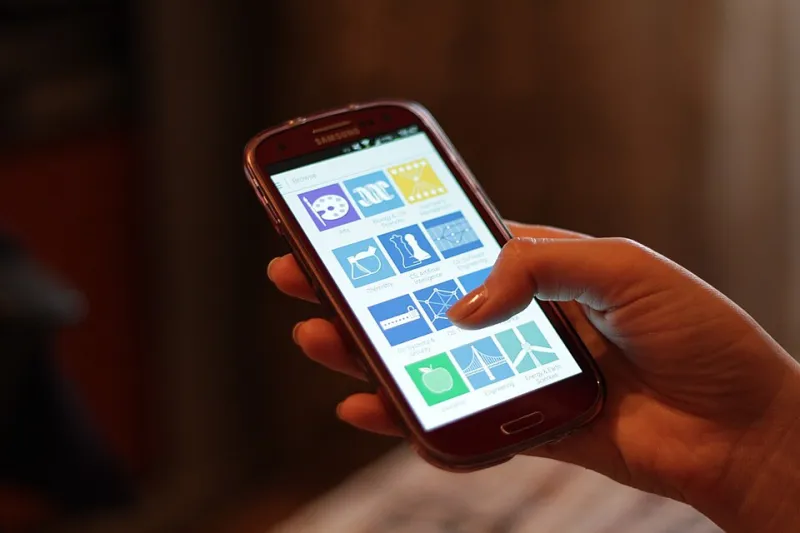
Photo: Océanos y dados, CC0, via Wikimedia Commons
There is a specific kind of gym panic that did not exist a decade ago. You are outside the entrance, bag on one shoulder, water bottle in the other hand, and your phone is showing three per cent. The turnstile wants a QR code. The locker wants an app. The class booking wants a tap. Suddenly your phone is not a distraction from training — it is the thing standing between you and the squat rack.
In 2026, more UK gyms have moved towards app-based entry, contactless lockers and digital class bookings. Not every site, and not always smoothly, but enough that a flat phone can wreck a session before it starts. The fix is not complicated. It just means treating your phone like kit, not an afterthought.
The phone is the new membership card
If your gym still hands out a plastic fob, enjoy it. For plenty of people, the membership card now lives behind a fingerprint lock and a battery icon. That changes the packing list. A phone is not just for music or tracking your sets. It is your entry ticket, your locker key and your proof that you are allowed to be there.
That does not mean you need to carry a mini electronics shop. It means you need a small, repeatable system. The same way you would not turn up without trainers, you should not turn up without a phone that can actually do its job.
A small phone kit that earns its place
The temptation is to overpack. A giant power bank, three cables, a wireless charger, a spare case — it all sounds sensible until your bag weighs more than your gym shoes. Keep it lean.
A sensible phone kit for an app-run gym looks like this:
- A short charging cable that lives in your bag permanently. Fifteen centimetres is plenty. It stays there, so you are never the person asking reception if they have a spare.
- A compact power bank. Something in the 5,000mAh to 10,000mAh range is enough for most gym days. Bigger is not always better; it just adds weight.
- A small zip pouch for the cable and power bank. This stops the cable turning into a knot at the bottom of your bag.
- A phone armband or a secure zipped pocket. If your phone is coming into the gym floor with you, it should not be balanced on a bench.
- A cheap padlock if your gym still uses traditional lockers. App-based lockers are great until the app is down.
That is it. No need for a second phone, a solar charger or a waterproof case unless you are swimming. The goal is backup, not a gadget drawer.
Battery maths for a real gym day
Phone batteries are strange things. They can last all day at home and then drop like a stone the moment you enter a gym with poor signal, Bluetooth music and a QR code scanner. Cold weather does not help either. A chilly walk to a 6am session can take more out of your phone than you expect.
Charge your phone before you leave. Obvious, but easy to forget when you are rushing. Then charge your power bank when you charge your phone. A power bank with no charge is just a heavy brick in a pouch.
Use low power mode if you are going straight from work. Turn off unnecessary notifications. If your gym has weak signal, your phone will work harder to stay connected, so keep an eye on it. Do not rely on plugging into a gym socket. Many do not have them, and the ones that do are often in awkward places or already taken.
A 10,000mAh power bank will get most phones through several sessions. A 5,000mAh one is fine for a single workout plus the journey home. Pick the one you will actually carry.
Where does the phone go while you train?
This is the bit people get wrong. A phone left on a changing room bench is not secure. A phone tucked into a hoodie pocket that gets shoved into a locker is fine until you forget which locker. A phone balanced on the edge of a bench is asking for trouble.
If you are using your phone for music or a training app, keep it on your person — armband, zipped pocket, running belt. If you are not, put it in the locker and lock it properly. Use a passcode. Do not leave your phone case open with bank cards on display. That is basic, but basic things get forgotten when you are trying to get in and out quickly.
If your gym uses app-based lockers, test the app before you rely on it. Some lockers open with a QR code, some with a PIN, some with a tap. Know which one yours uses. A screenshot of the locker QR code can be useful, but not if the code changes every minute. In that case, keep the app open and your phone charged.
The low-tech fallback plan
Apps fail. Wi-Fi drops. Batteries die. Turnstiles jam. The gym staff have seen it all before, but they can only help if you can prove who you are.
Have a fallback. Save a screenshot of your membership QR code or barcode in your phone photos. Screenshot it while you have signal and keep it in a folder. Write your membership number on a small card and keep it in your gym bag. Carry photo ID if your gym requires it. And save the gym’s reception phone number in your contacts, so you can call ahead if you are stuck outside.
If your phone is dead, do not just stand at the turnstile hoping for the best. Speak to reception. Explain the situation. Most gyms would rather check your details and let you in than have you turn around and go home. It helps if you can give them your name, membership number and the email address on your account.
A small laminated card in your bag with your name, membership number and gym phone number costs almost nothing. It is not glamorous. It is just smart packing.
The sixty-second doorstep check
Before you zip your bag, run through the basics. Phone charged? Cable in the bag? Power bank charged? QR code screenshot saved? Padlock packed if you need one? Phone in a secure pocket or ready for the locker? It takes less than a minute.
This is the Gym Tote way: train smarter, pack lighter. You do not need to carry half of Curry’s to get into the gym. You just need a phone that works, a backup that works when it does not, and a plan for the day the app decides to have a lie-in.
Treat your phone like gym equipment. Charge it, protect it, pack it properly. Then you can get on with the session instead of standing at the door wondering why your entry ticket has gone to sleep.