The Pocket Pharmacy: Nine Under-a-Tenner Fixes for Gym Day Disasters
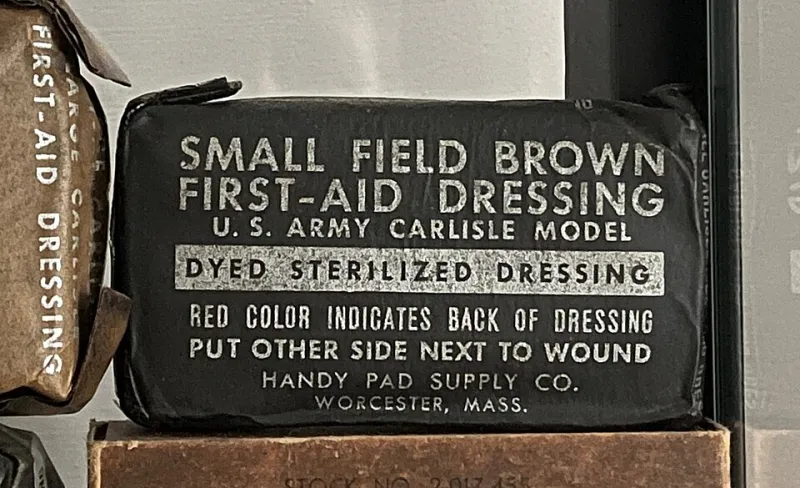
Photo: Alfvanbeem, CC0, via Wikimedia Commons
The disasters are small. The cost of ignoring them isn't.
You're halfway through a set and your hair tie snaps. You've got a blister from new trainers and every step is a negotiation. Your nail splits on a dumbbell, or you feel light-headed before the last round. None of these is a medical emergency. All of them can turn a good session into a bad one.
A full first-aid kit is overkill for a gym bag. What you need is a pocket pharmacy: a small, cheap pouch that handles the everyday snags without weighing you down. The goal is under a tenner, not under a doctor's care. If something is serious, stop and get proper help. For the small stuff, this pouch earns its place.
What earns a spot in the pouch
The test is simple: small, multi-use, non-perishable and cheap to replace. If an item only solves one unlikely problem, it stays out. If it solves a problem you've actually had in the last month, it goes in. The pouch itself should be no bigger than a glasses case, with a zip and a label so you can find it without emptying your bag.
Nine tiny kit items
- Blister plasters. New trainers, long walks to the gym, a treadmill session in damp socks — blisters happen. Hydrocolloid plasters are the useful ones: they cushion, stay put and cost a few pounds for a mixed pack. Cut a small one to size if needed.
- Anti-chafe balm. A tiny tin or stick of anti-chafe balm saves thighs, underarms and bra straps. Petroleum jelly works too, but a dedicated balm is less messy in a bag. Decant a small amount into a contact-lens case if you don't want to carry the full tub.
- An emery board or nail file. A split nail catches on everything: towels, kit bags, the inside of a glove. A cheap emery board lets you smooth it down before it tears further. It weighs nothing and costs pennies.
- A spare hair tie — or two. Hair ties break at the worst moment. Keep two in a small zip bag, plus a couple of bobby pins if you use them. This is the item people borrow most, so pack one to lend and one to keep.
- Glucose tablets. A sudden dip in energy can leave you shaky and spaced out. Dextrose tablets are cheap, small and fast. If you have diabetes, follow your own plan and carry what your clinician recommends; this pouch is not a substitute for that.
- Assorted plasters and an antiseptic wipe. For shaving nicks, scraped knuckles, a small cut from a clip or a zip. A couple of fabric plasters and one wipe are enough. Skip the giant dressing; you're not running a field hospital.
- A safety pin. Broken zip, a strap that gives way, a towel with a hole — a safety pin is the cheapest repair kit going. Tape one to the inside of the pouch so it doesn't get lost.
- A small pack of tissues. For sweat, a runny nose, a spilt drink or a changing-room emergency. They weigh almost nothing and get used more often than you'd think.
- A mini hand sanitiser or a small soap sheet. Gym equipment, shared lockers and busy changing rooms are not always pristine. A pocket sanitiser is a practical extra, especially if you're heading straight to work afterwards.
What to skip
Skip the full first-aid kit with scissors, slings and saline. Skip anything expired, anything you don't know how to use, and anything that takes up more space than it saves. Skip painkillers unless you already know they're right for you and you're happy to carry them; they're personal, not universal. And skip the fancy branded pouch. A cheap zip bag or a small pencil case does the same job.
The monthly restock
A pocket pharmacy is only useful if it's stocked. Set a reminder for the first of the month, or tie it to something you already do — paying your gym membership, washing your gym towel, filling your water bottle. Spend five minutes checking:
- Are the plasters still sticky and in date?
- Have you used the glucose tablets or the hair ties?
- Is the anti-chafe balm leaking?
- Is the safety pin still closed and taped down?
- Does the zip still work?
Replace what's gone, chuck what's expired, and put the pouch back in the same pocket. That last bit matters. A pouch at the bottom of your bag is just clutter. A pouch in the front pocket is a rescue kit.
The Gym Tote take
You don't need a rolling pharmacy to train well. You need a small, cheap pouch that solves the problems you actually have. Build it once, restock it monthly, and keep it where you can reach it. For under a tenner, it's one of the best-value bits of kit in your bag. Train smarter, pack lighter — and carry a plaster.