Where the Pong Lives: A No-Nonsense Audit of Your Gym Bag
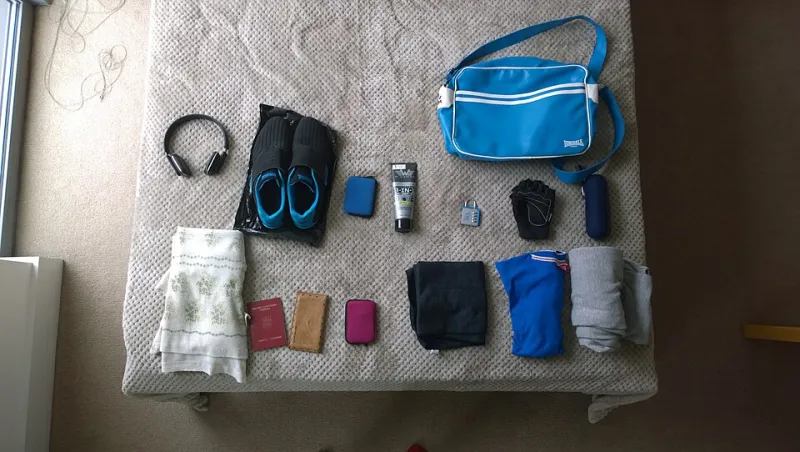
Photo: TudorTulok, CC BY-SA 4.0, via Wikimedia Commons
The smell in your gym bag is rarely a mystery. It is usually one damp towel, one shaker bottle or one pair of socks that went into the lining and stayed there. A smell audit is not about buying a gadget; it is about finding the six places where moisture and bacteria settle, then building a routine that keeps them from settling in again. Here is the honest version, written for damp UK winters and shared changing rooms.
1. The damp towel
A towel is the classic offender because it holds water and warmth. Left in a bag, it develops that pond-water smell fast. Fix: never put a damp towel in the main compartment. Use a separate wet bag, hang the towel to dry as soon as you get home and wash it after every use. A microfibre towel dries faster than cotton and takes up less space. Rotate two towels if you train often. At the gym, hang it on a hook rather than leaving it on the floor.
2. Trainers
Trainers collect sweat, street dirt and winter rain. The smell lives in the lining and insole. Fix: loosen the laces, remove the insoles and let them air after every session. Stuff them with newspaper overnight; it absorbs moisture and costs nothing. Rotate pairs if you can, and never leave them in a hot car or a sealed plastic bag. Wipe the outside with a diluted vinegar solution and let them dry fully before they go back in the bag.
3. Straps, handles and webbing
Bag handles, lifting straps, resistance bands and belts all pick up sweat and hand oils. Nylon webbing is especially good at holding a smell. Fix: wipe straps and handles with a damp cloth and mild soap once a week, then air-dry them. Rinse lifting straps after use and hang them up. Do not machine wash a bag unless the label says it is safe. The same goes for padded belts: wipe, air, repeat.
4. Shaker bottles
Protein residue is a biofilm, and a quick shake with water does not remove it. Fix: rinse the shaker immediately after use, wash it with hot water and washing-up liquid, use a bottle brush and dry it upside down with the lid off. A weekly bicarbonate of soda soak helps with lingering smells. If the bottle is dishwasher-safe, use it, but still dry it properly. Never leave a shaker in your bag overnight.
5. Lining seams and hidden pockets
The lining, seams and bottom corners are where crumbs, sweat and old wrappers hide. Fix: turn the bag inside out once a month, vacuum the seams with a crevice tool and wipe them with diluted vinegar. Check every pocket for tissues, plasters and receipts. Let the bag air open after a session rather than folding it straight into a cupboard. A dry bag is a fresh bag.
6. Forgotten socks and smalls
Socks are small enough to fall into the lining and stay there for weeks. Fix: use a laundry bag for used kit and check the bag after every session. Do not ball up wet socks; they need air. Wash socks and underwear at the temperature on the label, and soak stubborn items in bicarbonate before washing. A second laundry bag for clean kit keeps the two from mixing.
The myths worth ignoring
Charcoal bags absorb some odour, but they do not fix a damp towel. Ozone gadgets are overkill for most gym bags. Freezing trainers might kill some bacteria, but it does not remove the smell. Perfume masks the problem and can make a shared changing room worse. The fix is boring: dry everything, wash the things that touch sweat and separate wet kit from dry kit.
The five-minute weekly reset
Empty the bag, check the pockets, wipe the lining, wash the towel, rinse the shaker, air the trainers and start a laundry load. Keep a wet bag and a laundry bag in the bag so you have no excuse. In a UK winter, use a radiator or airing cupboard to dry kit fully before it goes back in. No expensive gadget required, just a routine that treats moisture as the enemy.